
Sustainable Interior Design
Sustainability at Owl is not a separate consideration. It is embedded in how we think, design, and specify from the very beginning of a project.
Working closely with our clients, we start each project with four key decisions, each influencing the long-term impact of a space.
The result is a joyfully designed space that’s grounded in longevity and health.

1. Keep
We always begin by asking what can stay.
Where possible, we retain existing furniture, architectural elements, and storage. Wardrobes, bed bases, and key pieces are reworked rather than replaced – through restoration, reupholstery, or repainting.
2. Repurpose
When something no longer belongs in a space, we look at where it can go next. We prioritise reuse and redistribution over disposal, working with charities and community organisations.

3. Source
When new pieces or materials are required, sourcing is intentional.
British-made and locally produced items are prioritised where possible, alongside selected overseas suppliers when they are the right fit for a project.
Bespoke pieces are designed and made to maintain control over materials, production processes, and origin.
There is also an increasing focus on material health — avoiding unnecessary toxins in the home, reducing exposure to microplastics in soft furnishings (particularly in bedrooms), and specifying ultra-low VOC paints.

4. Lifecycle
We consider how something lives – from creation to end of use.
How long will it last? Can it be repaired or refreshed? What happens when it is no longer needed?
Materials and pieces are prioritised for their ability to age well, rather than be replaced.
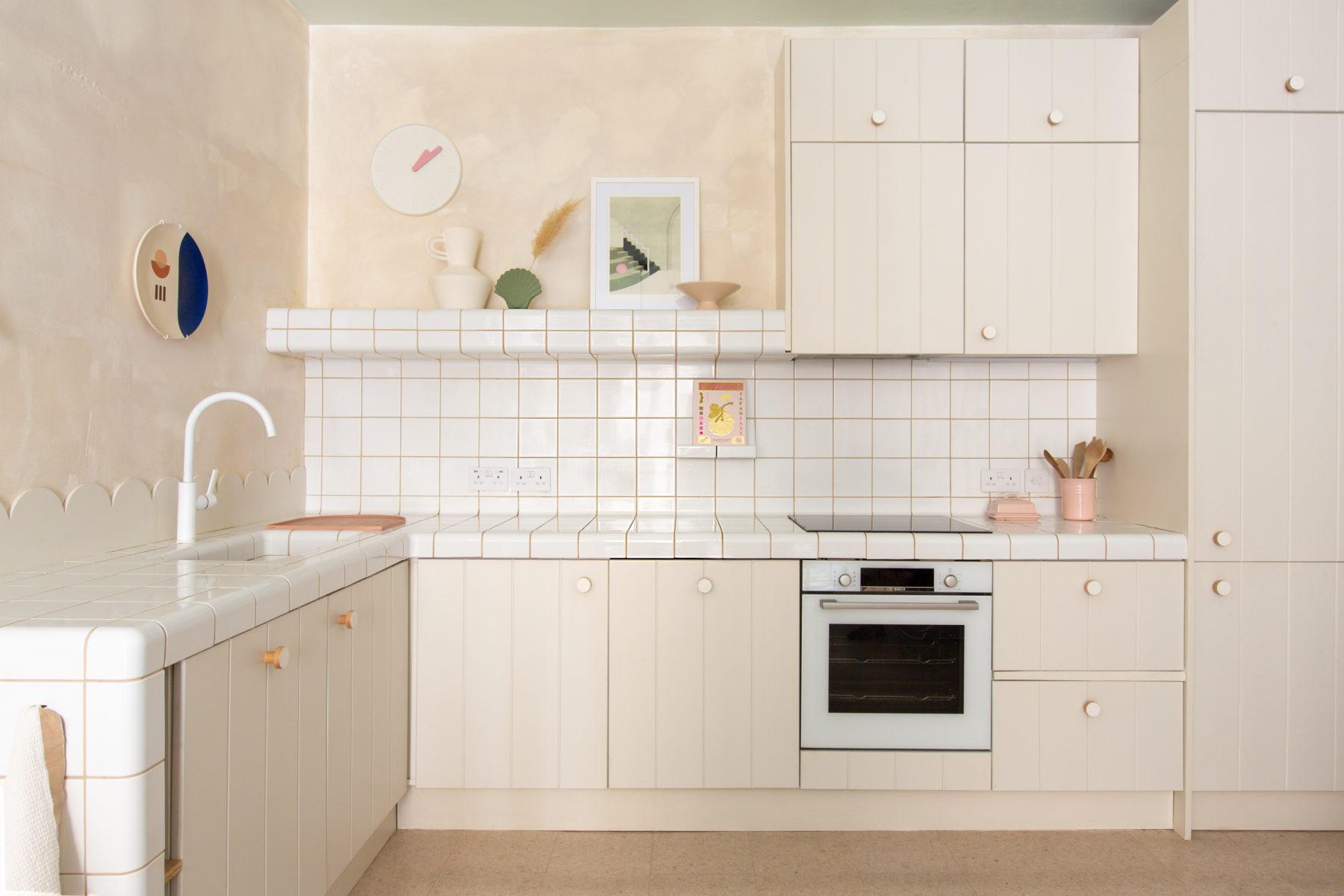
Wellness
We think about wellness across three layers:
Physical — air quality, toxins, and material choices
Emotional — light, texture, colour, and spatial feeling
Ecological — wider environmental impact of design decisions
Frameworks such as the WELL Building Standard have helped shift how we think about interiors, particularly in urban settings where health-led design is becoming more urgent.
There is always a balance between ideals and constraints. Budget, availability, and context shape what is possible. Meaningful change comes through consistent, considered decisions rather than perfection.

Evolving practice
We continuously refine how we work – whether it’s sourcing and specification or internal decision-making. Our goal is to become B Corp certified, which is already influencing how we think about responsibility within design.
We’re committed to creating spaces that not only feel good to live in, but are considered in how they are made.
If you would like to discuss your project with us, don’t hesitate to get in touch.